


Texts


Garlic on Graciosa Island
Garlic production on Graciosa Island is centuries old and recognized for its very high quality, but it takes a long time to leave the island territory. A very small and dispersed area and the lack of organization on the part of the producers are the critical factors for the development and promotion of a product with unquestionable potential.
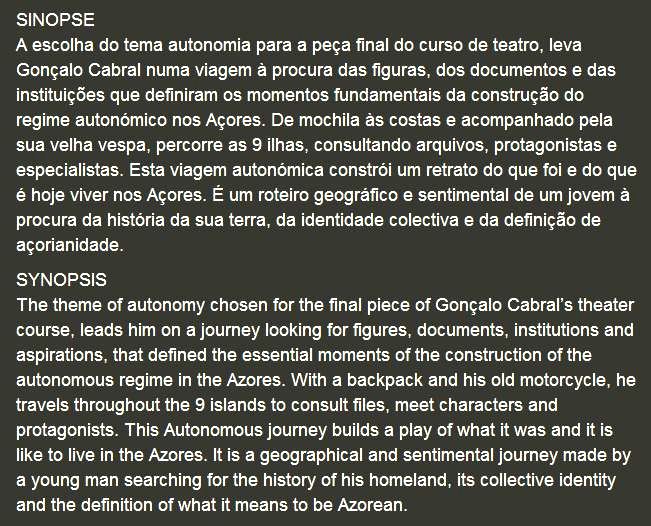
VIDA RURAL visited the Garlic Festival, organized by the Angra do Heroísmo Chamber of Commerce (which brings together business associations from the Terceira, S. Jorge and Graciosa Islands) and the Graciosa Island Business Center, which brought together producers, technicians and specialists gastronomy to talk about this product with unique characteristics.
With a stabilized productive area, production has almost doubled in recent years to the current 25 tons due to increased productivity. But what is so special about this garlic that is practically unknown on the continent? The conference ‘Characteristics of Garlic and Production’, organized within the scope of this Festival, brought together several specialists who traced the radiography of this culture in the region. Adelaide Mendes, from IAMA (Institute of Food and Agricultural Markets) said that garlic is traditionally grown on the island, given the soil and climate conditions conducive to production. And he spoke of its characteristics: “It is a large garlic, with heads measuring about 25 to 45 mm, 10 to 16 cloves, purplish red, with heads weighing between 25 and 40 grams. It has an intense flavor and smell even without being broken, but it is very smooth after cooking”. The low rainfall and neutral pH of the soils are appreciated by the culture, which also prefers places with good sun exposure and sheltered from strong winds. Planting takes place between December and January, with harvesting and drying taking place in June.
This technician also spoke about the application for the PGI certification in progress, a process that is taking a long time due to the lack of organization of production (it is necessary that a producer organization manages the PGI) and which, in her opinion, is essential for the protection the name and geographic origin of this product.
Forget the pharmacy!
Nutritious and with antioxidant properties, garlic is recognized as a healthy product with almost medicinal effects. Science seems to agree. Graça Silveira, a professor at the University of the Azores, has no doubts about garlic’s ability to cure some diseases. “Garlic is undoubtedly a nutraceutical [nutritional product with alleged therapeutic value, fusion between the words nutritious and pharmaceutical], which is due to allicin, the substance responsible for the strong odor. However, Graciosa garlic is especially rich in allicin and its antioxidant capacity is much higher in volcanic islands. Allicin neutralizes free radicals and there are studies that prove that it inhibits the growth of cancer cells, in addition to the ability to reduce cholesterol and antimicrobial activity, that is, the ability to kill bacteria”, reveals this specialist.
See the full report in the March issue of Vida Rural magazine
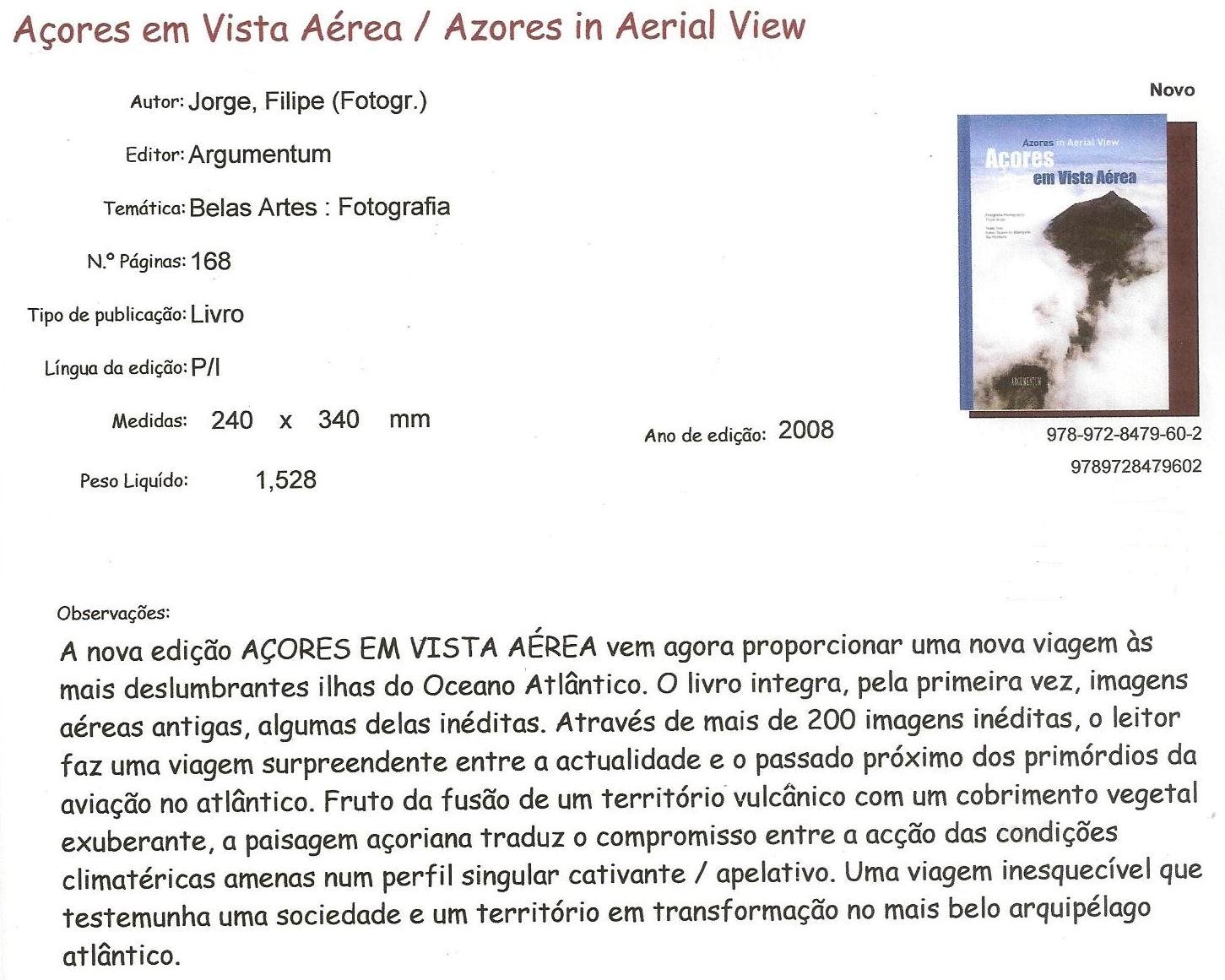
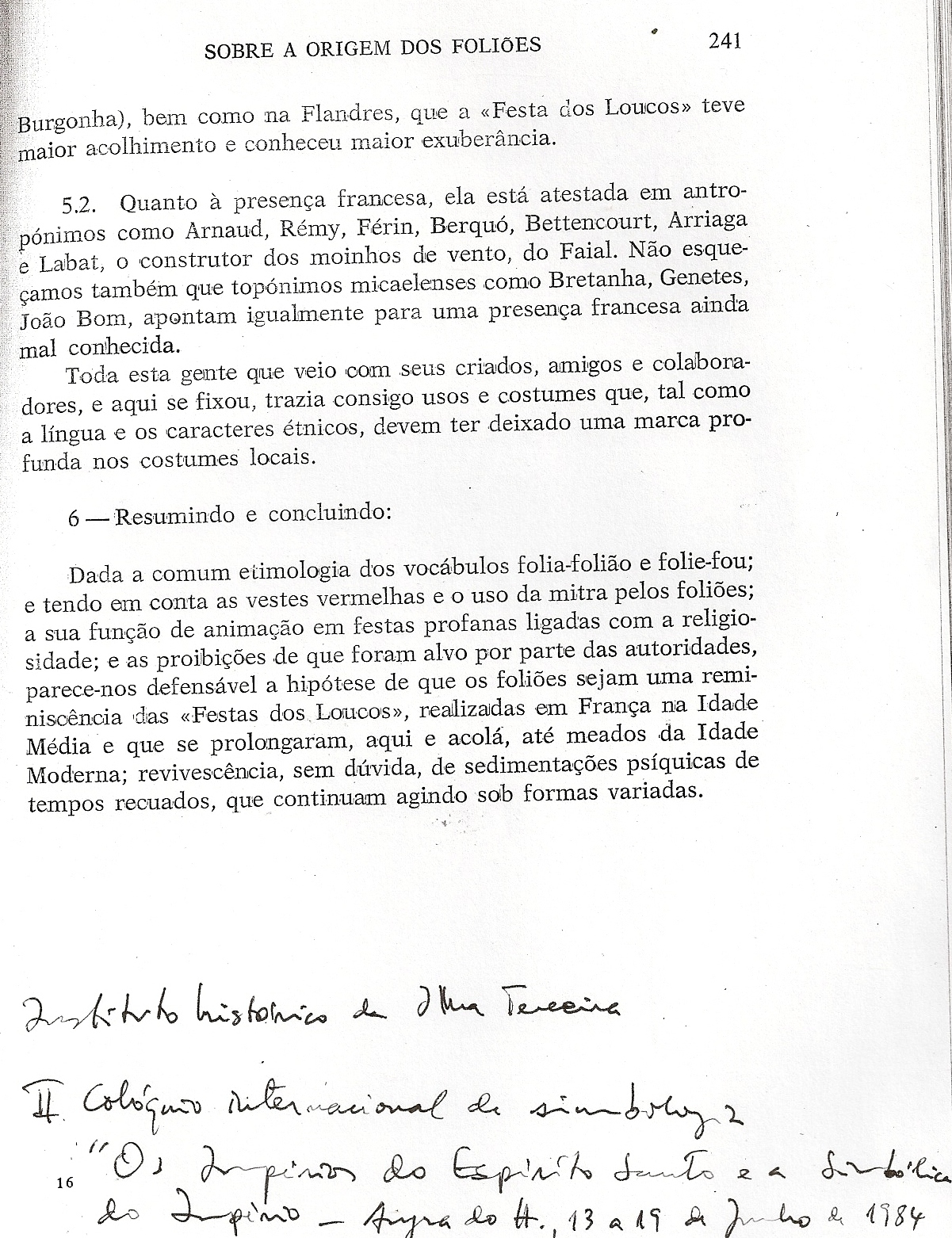
Elements of the History of Production of Lapinhas Nativity Scenes in S. Miguel
The “Lapinhas” nativity scene in São Miguel
In São Miguel, the first references to nativity scenes date back to the 16th century, influenced by the establishment of the Franciscan Order on the island. However, it was in the 17th century that the first “lapinhas” appeared, made by nuns in convents, decorated with tiny shells and artificial silk flowers, feathers, fish scales, wax, paper and cotton, from which clay figurines representing the Holy Family.
The 18th century witnessed a greater brightness and expansion of “lapinhas” nativity scenes in São Miguel, mainly due to the influence of continental sculptors, such as Machado de Castro, and it is possible to find, even today, several examples of “lapinhas” from that time, in churches and private homes. Contributing to its decoration, it is worth noting the production of artificial flowers, or “flowers of nuns”, in convents, which had great development in that century, with the former Santo André Convent being one of the places where decorative art grew and has improved remarkably.
As for the clay figures for the nativity scenes, they were mostly modeled locally by anonymous artisans. It is in this period of valorization and diffusion of the nativity scenes that the “lapinha” of the high choir of the former Santo André Convent appears, in the headquarters of the Carlos Machado Museum. Inserted in a wooden dobby, with a glass door at the front, and embedded in the base of the altar of Senhor dos Passos, it allows an extended narrative, revealing in separate planes the Birth of the Child Jesus in the Bethlehem Cave, the Apparition of the Angel to the Shepherds, the Adoration of the Three Kings, the Presentation of the Child in the Temple, the Beheading of the Innocents and the Baptism of Jesus. In addition to the various clay figures, it also features various ornamental motifs, among which we highlight the small shells and the numerous dried and artificial flowers, elements that contribute to an exuberant framework of color and expression.
In the 19th century, the nativity scenes came under the domain of popular art and, in São Miguel, the “lapinhas” continue to be produced in a domestic space and on a private basis, coexisting with the characteristic “Altars do Menino Jesus.” It should be noted that these “lapinhas” remained on display throughout the year, placed on top of the bedroom dresser.
With the foundation of factories where clay was baked, glazed and painted, in the village of Lagoa, in the second half of the 19th century, there was an expansion and improvement of nativity scenes, which started to be produced using the mold technique. In this popular art, we highlight the craftsmen’s concern to represent not only the typical characters of the nativity scene, but also everyday scenes, such as the slaughter of the pig, the woman at the fountain, processions and various figures, including revelers, women in cloak and hood, man with a hood, priest, peasant, fisherman, or music bands, among others. Currently, local artisans continue to dedicate themselves, with dedication and precious skill, to the production of “lapinhas”, in gadgets or domes, helping to keep alive one of the most beautiful demonstrations of the religiosity of the Azorean people. [SFS]
Artificial flowers
Azores handicrafts
The cult of natural flowers in the Azores Archipelago is reflected in a peculiar artistic expression: artificial flowers. This art, reminiscent of the convent life of the 17th century, reached a remarkable perfectionism thanks to the dedication of the nuns, excellent artisans. For this purpose, they used accessible materials, namely paper, cloth, wax, fig kernels, onion skin and fish scales. Even today, the use of artificial flowers in religiously motivated ornaments is frequent, with the scale flowers standing out among them, as a precious element of secular decoration.
Take with you, as a palpable souvenir, a FLOWER carefully crafted by delicate hands.
The Corys Shearwater
The Corys Shearwater
The shearwater (Calonectris diomedea) is the most abundant seabird in the Azores. They gather in colonies located on the coastal cliffs and islets, which gather hundreds of birds. Its night songs are very peculiar, some similar to human crying. It is one of the oldest birds that exists on the Earth’s surface and belongs to the Procellariidae family. The largest concentration of shearwater in the world occurs in the Azores, of the subspecies C.d. borealis, but due to being very vulnerable to terrestrial predators and human activities, this species is in decline worldwide, and it is very important to guarantee its protection.
Shearwater are pelagic birds, that is, they are seabirds adapted to life on the high seas, the color of their plumage is dark above and below, the tail is black and the head is grey-brown, the wings and the back is brown on top. The beak is yellow and strong, with a darker tip, and the legs are short and pink. They feed on fish, squid and crustaceans. They can reach 40 years of age.
In March, after spending a few months in the South Seas, they return to the Azores to start an eight-month breeding period, generally in the same location as the previous year. They breed in colonies located on coastal cliffs and islets, which gather hundreds of birds. But the shearwater is faithful, each couple usually stays together for life. (…)
The Azores are the world’s most important area for shearwater, which is protected by national and international laws (Bern Convention – Annex II, Birds Directive-Annex I and Decree-Law No. 140/99 of 24 April). It is prohibited to illegally capture, detain, or kill these birds and destroy or damage their habitats. (…) in Vidalia Magazine nº 22
To learn more: http://terralivreacores.blogspot.com/search/label/cagarro
Procedures for saving Corys Shearwaters
In October or November, the young shearwaters begin their migration and apparently guide themselves by the stars, but when they start their first flight, mainly on cloudy nights, they are attracted by the lights of towns and cars, and many are killed by collision and being run over.
Another factor that can be dangerous for this species is related to the spring tides which, together with the winds, can make a bird exceptionally gifted for marine life to find one of its obstacles in its attempt to migrate at sea.
What you should do if you find a crater:
• Approach the shearwater slowly, wearing gloves;
• Calmly and safely cover the body of the shearwater with a coat, a blanket or towel;
• Without hurting him, hold the shearwater by the neck and tail, in order to involve your entire body;
• Place it in a cardboard box, carefully;
• Keep it in the box at night, in a quiet and dark place;
• Release the crater the next morning, by the sea, landing carefully on the floor.
Don’t worry if the bird takes some time to react and fly to the sea, as it will continue its journey when it feels ready.
Don’ts:
• Do not approach the bird when you do not know exactly how to proceed;
• Do not hold the bird by one wing or both wings, nor allow it to spread its wings, as it will become more and more agitated;
• Do not give water, food or medicine;
• Do not throw the bird overboard as it will not fly straight away and may be unable to fly;
• Never force the bird to go to sea, it will continue its journey when it feels able to.